
- Home
- New & Appeals
Success Stories
The Healing Journey
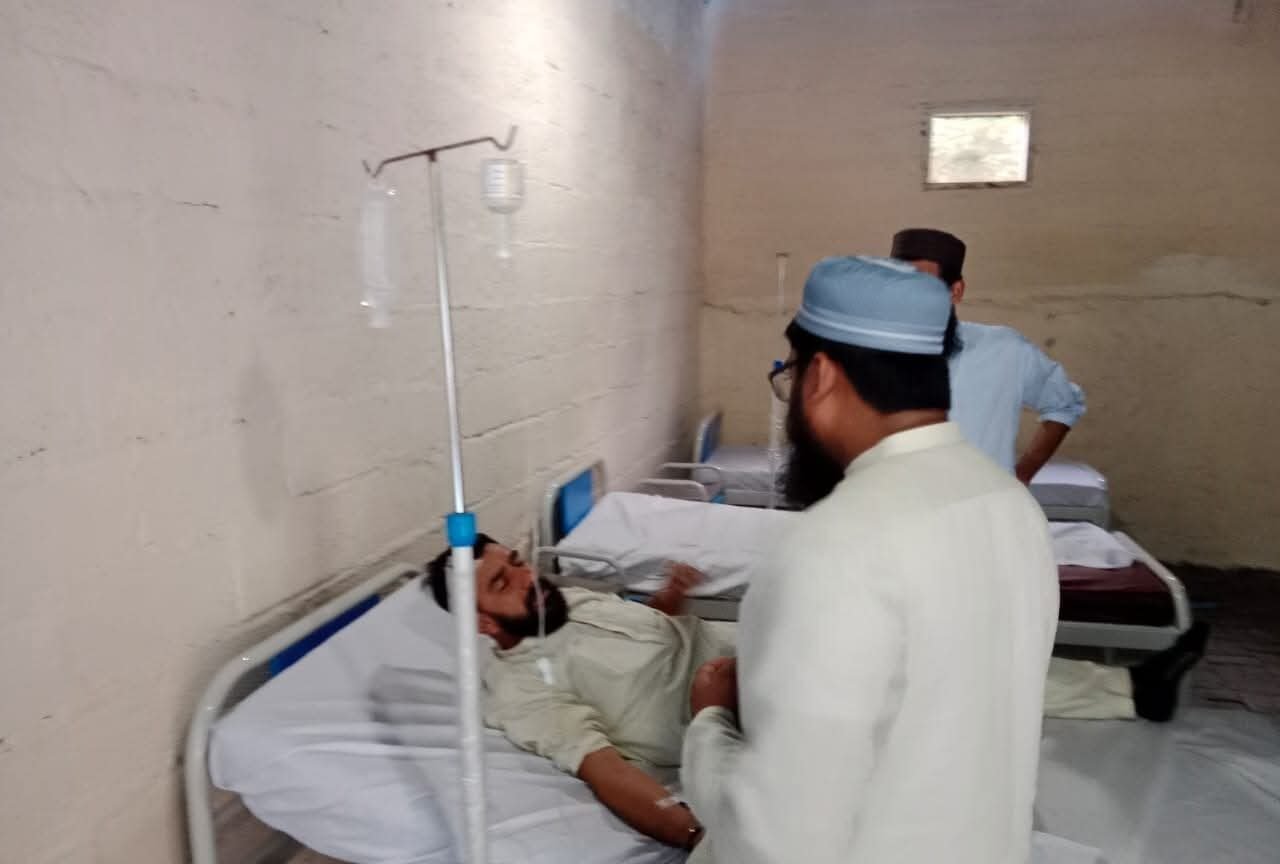
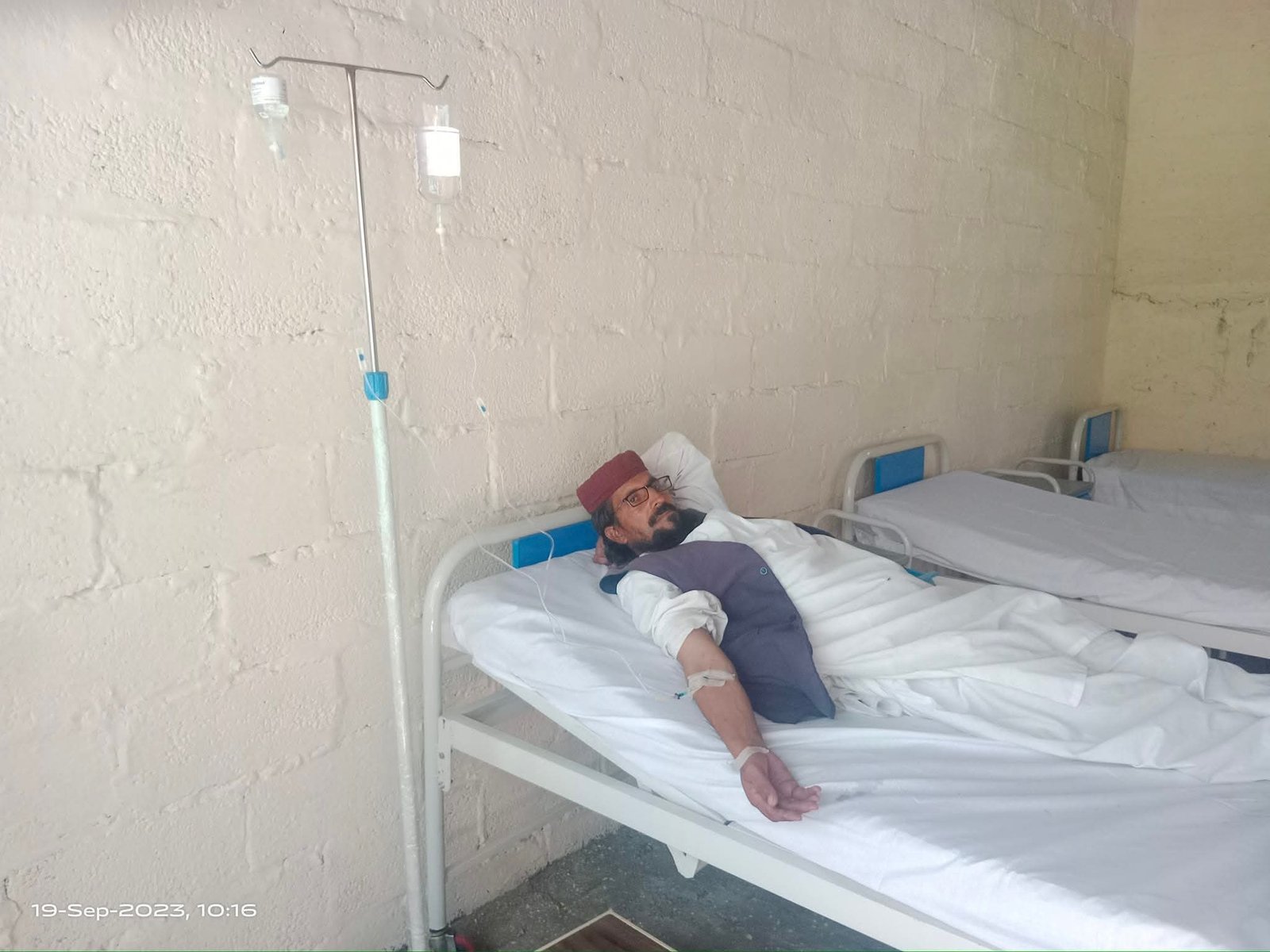
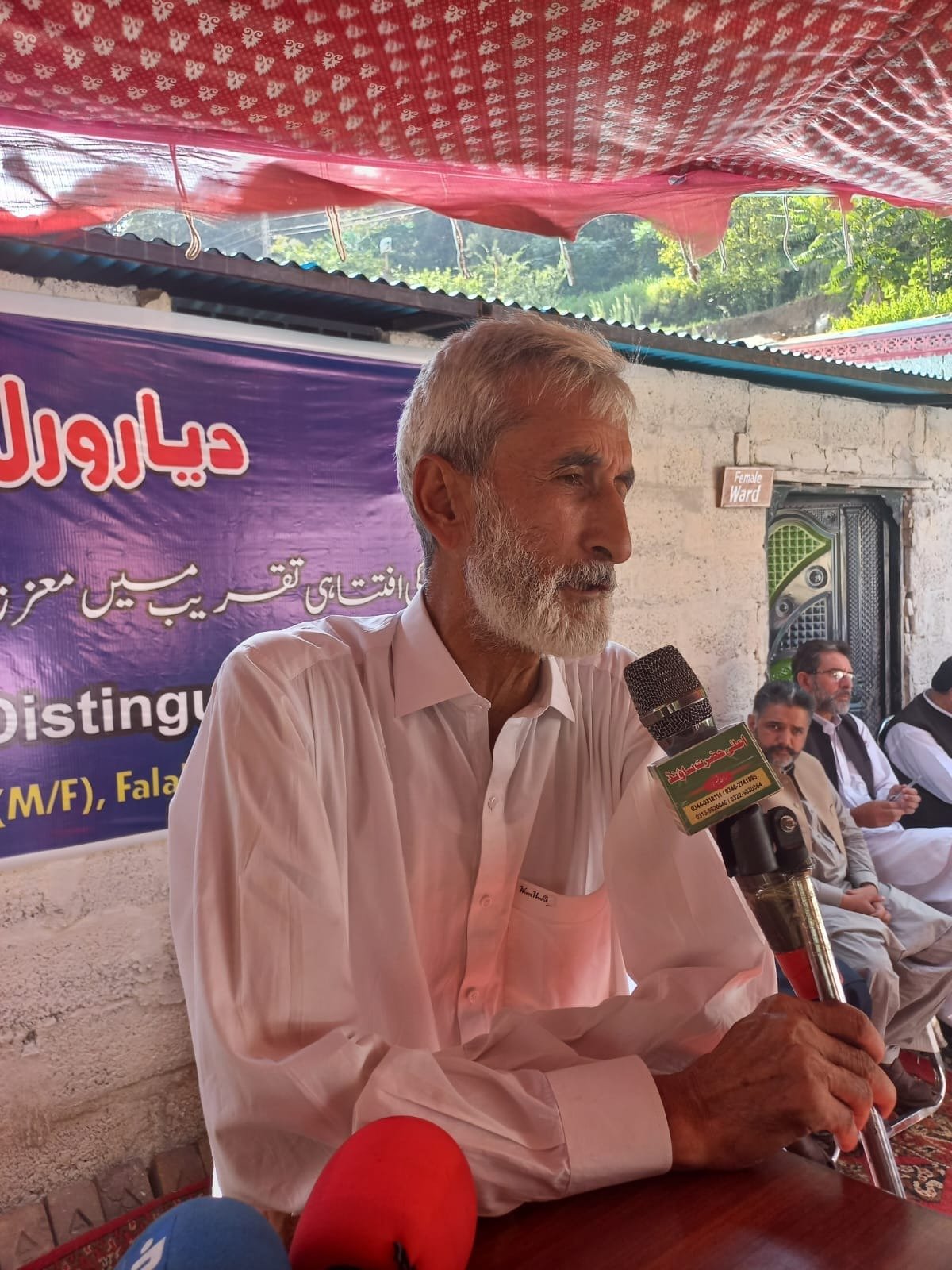
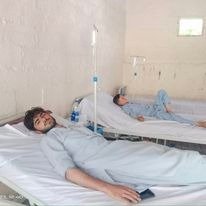
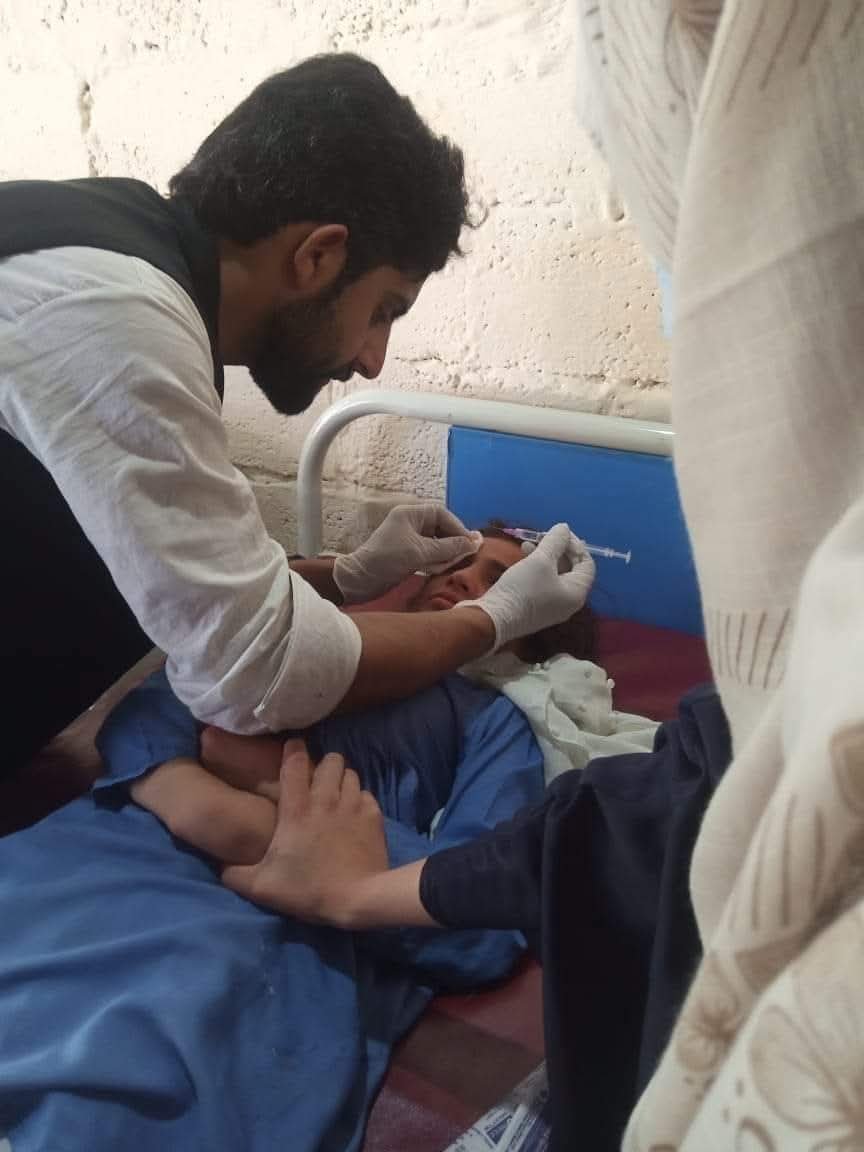
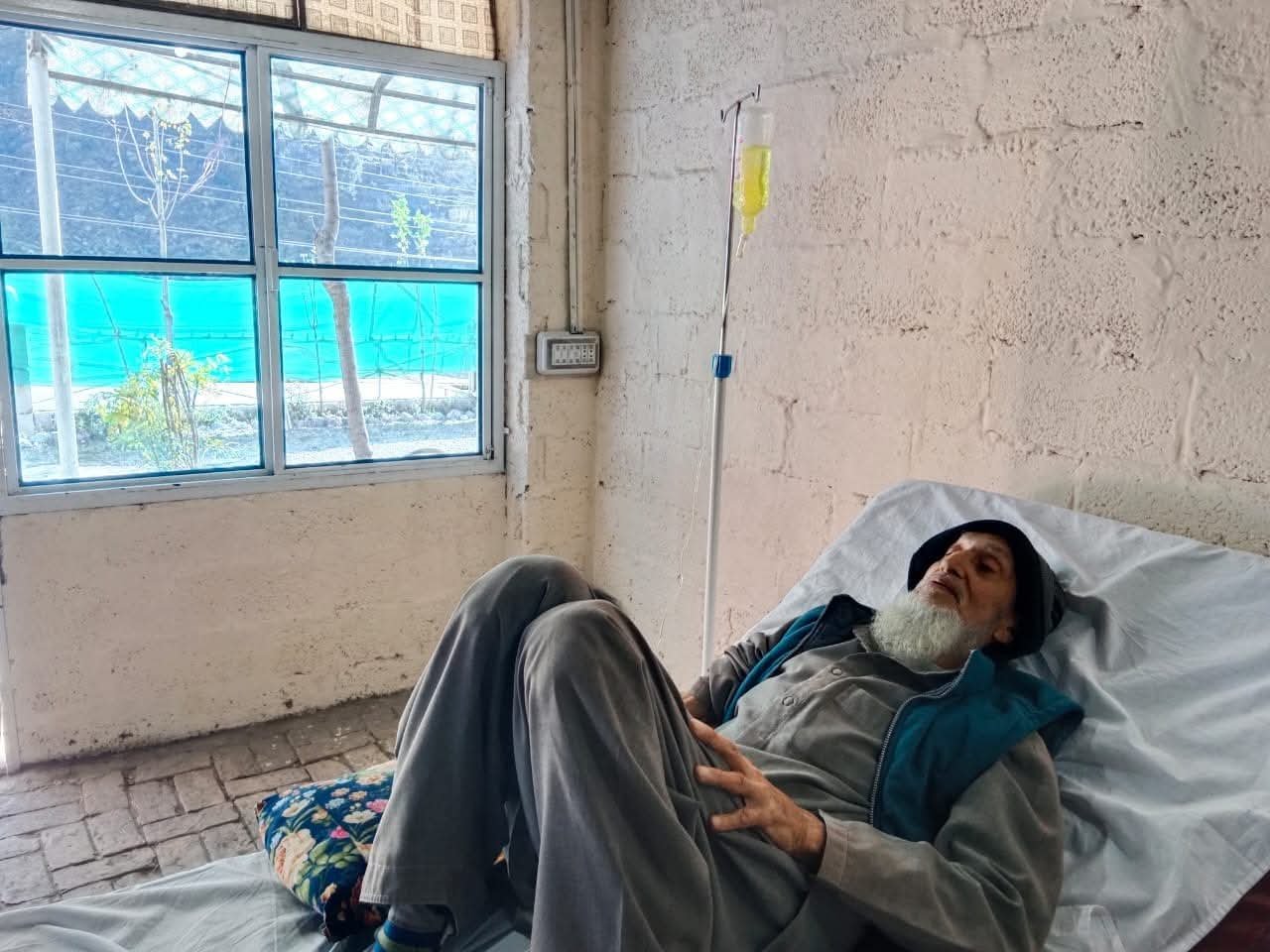
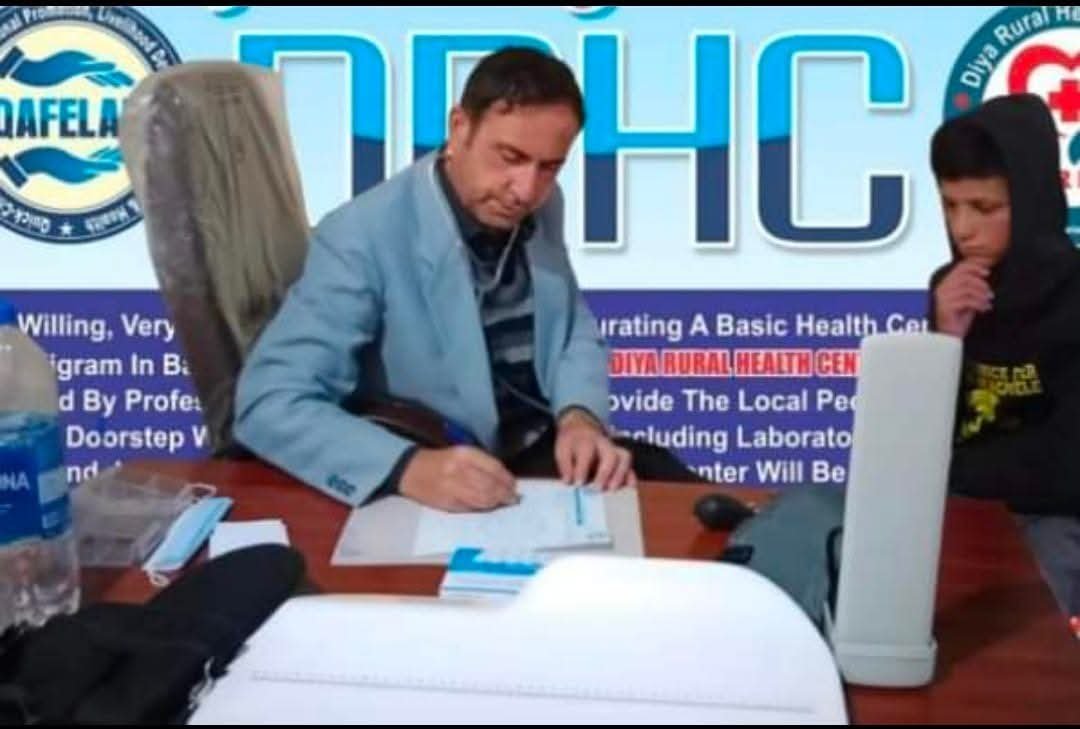
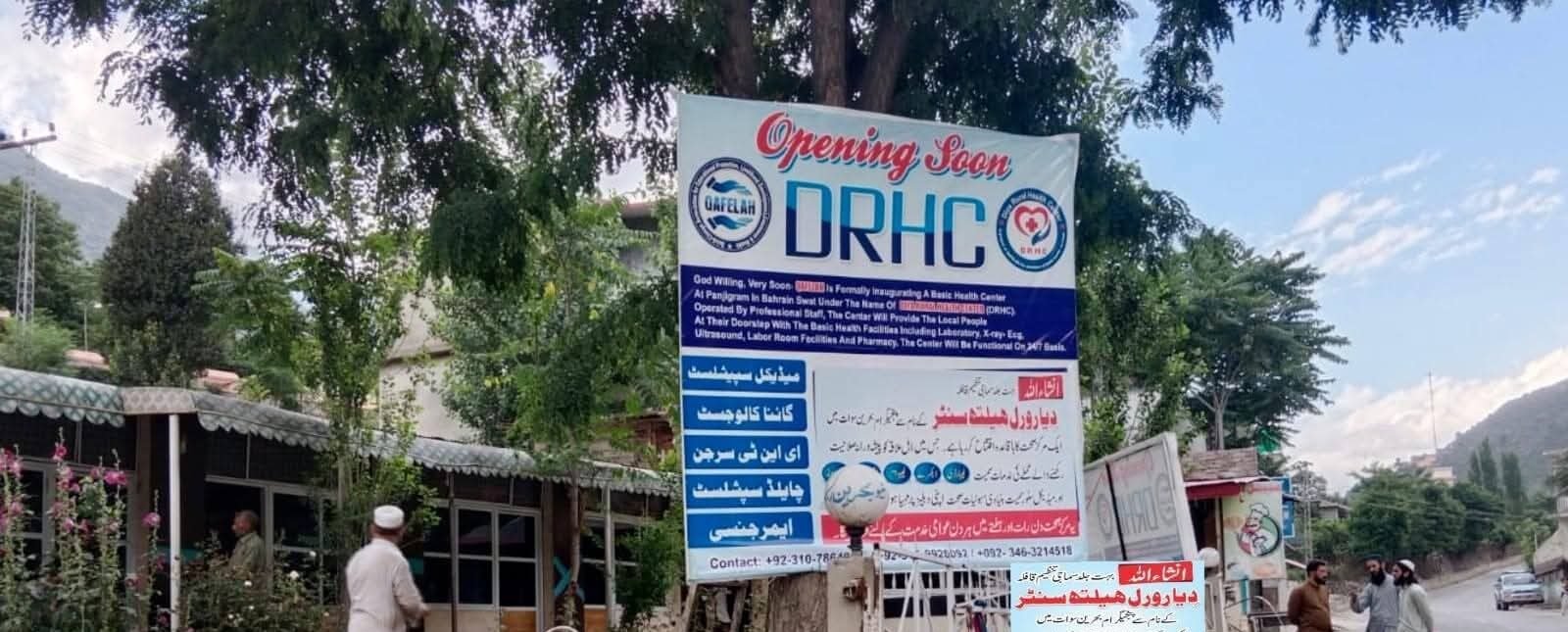
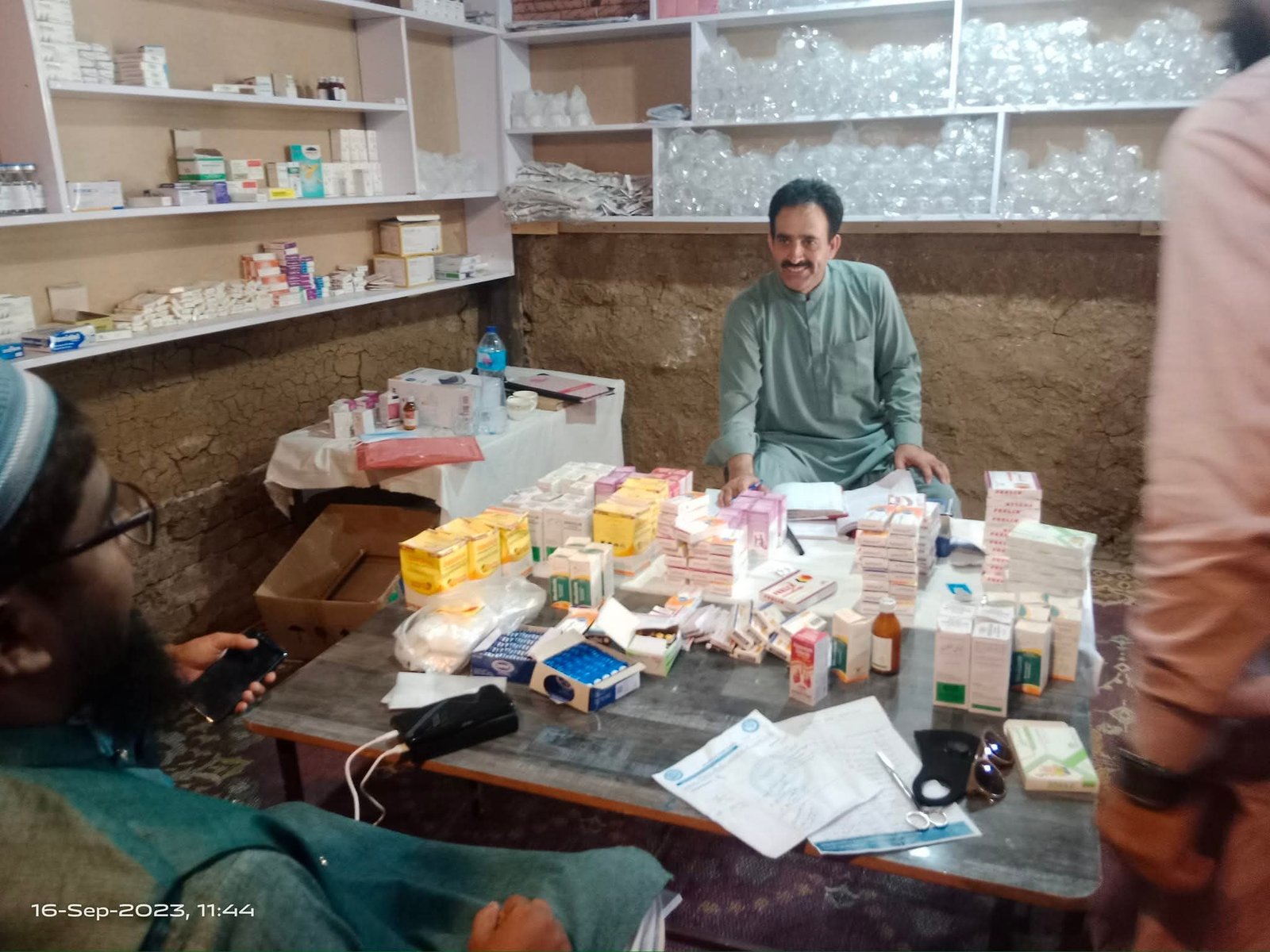
When Disaster Struck The devastating floods in Upper Swat left thousands of families struggling to survive. Homes were washed away, livelihoods were destroyed, and access to essential healthcare became nearly impossible. In Tehsil Bahrain, particularly in Panjigram and surrounding villages, flood-affected communities faced immense hardship. Pregnant women, children, the elderly, and vulnerable families were unable to access timely medical treatment due to damaged infrastructure and financial difficulties. Recognizing the urgent healthcare needs of the affected population, QAFELA (Quick-Change Association for Educational Promotion, Livelihood Development and Awareness) took immediate action by establishing the Duaa Rural Health Center (DRHC), a community welfare hospital strategically located between Madyan and Bahrain. The initiative aimed to provide quality, affordable, and accessible healthcare to flood-affected communities when they needed it most. A Community-Based Healthcare Initiative From the outset, the project was built on the principles of community participation and humanitarian service. More than 3,000 families were registered to receive healthcare services through the hospital. To establish and operate the facility, QAFELA mobilized financial resources through generous contributions from philanthropists, donations from its own management and staff, and community membership contributions. This collective effort demonstrated the power of solidarity in responding to a humanitarian crisis. Initially implemented as a one-year welfare project, the hospital quickly became a trusted healthcare facility for thousands of families. Free Healthcare for Those Who Needed It Most Throughout its operation, the Duaa Rural Health Center provided a comprehensive range of healthcare services, including: • Free medical examinations by qualified MBBS doctors • Free ultrasound services • Free essential medicines • Free maternity and delivery services • Free patient admissions • 50% discount on laboratory tests and diagnostic services These services ensured that families affected by the floods could receive quality medical care without worrying about financial barriers. A Dedicated Medical Team The hospital was staffed by a committed team of approximately 15 healthcare professionals, including: • Male MBBS Doctor • Female MBBS Doctor • Lady Health Visitors (LHVs) • Dispensers • Medical Laboratory Technicians • Support staff Working with dedication and compassion, the medical team served patients every day, ensuring quality healthcare for the surrounding communities. Community Ownership and Transparency One of the unique strengths of the project was its strong community ownership. To ensure transparency, accountability, and effective management, QAFELA established two Community Hospital Management Boards: • A Women’s Community Board • A Men’s Community Board These volunteer committees monitored the hospital’s daily operations, supervised service delivery, addressed community concerns, and ensured that healthcare services remained transparent, efficient, and responsive to local needs. Transforming Lives Through Humanitarian Service The Duaa Rural Health Center became much more than a healthcare facility—it became a symbol of hope for communities recovering from one of the worst disasters in recent history. Through this welfare initiative, QAFELA provided free medical treatment to thousands of vulnerable and flood-affected people, many of whom had lost everything during the floods. The hospital ensured that no patient was denied treatment because of poverty or the inability to pay for healthcare. Mothers safely delivered healthy babies, children received timely medical care, elderly patients were treated with dignity, and families found hope during an extremely difficult period. Providing free healthcare to thousands of vulnerable people was not only a medical intervention but also a remarkable humanitarian service that protected lives, restored dignity, and strengthened community resilience. A Lasting Legacy Although the Duaa Rural Health Center was initially established as a one-year emergency welfare project, its impact continues to be remembered by the communities it served. The initiative demonstrated that with community participation, dedicated volunteers, generous philanthropists, and committed local leadership, even the most difficult humanitarian challenges can be overcome. The project stands as one of QAFELA’s proudest achievements, showcasing how partnerships and compassion can transform lives during times of crisis. Impact at a Glance • 3,000+ families registered for healthcare services. • Thousands of vulnerable and flood-affected patients received free treatment. • Free doctor consultations, medicines, ultrasounds, deliveries, and hospital admissions provided. • 50% subsidy on laboratory services for patients. • Approximately 15 healthcare professionals delivered quality medical care. • Community-led monitoring through dedicated Men’s and Women’s Hospital Management Boards. • A successful example of community-driven humanitarian healthcare in post-flood Upper Swat. Conclusion The story of the Duaa Rural Health Center (DRHC) reflects QAFELA’s unwavering commitment to humanity. By providing free healthcare to thousands of vulnerable and flood-affected people, QAFELA proved that true humanitarian action goes beyond emergency response—it restores hope, protects human dignity, and helps communities rebuild their lives. The success of this initiative remains a lasting example of how compassion, community participation, and collective action can create meaningful and sustainable change for those who need it most.