
- Home
- New & Appeals
Events
How QAFELA Helped Mobilize Life-Saving Support During the 2010 Pakistan Floods
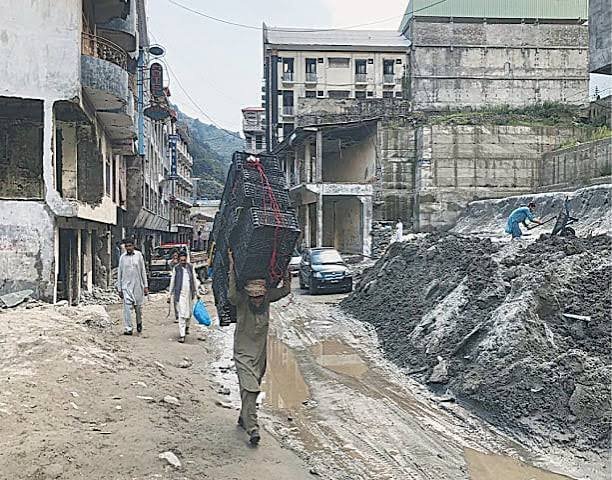
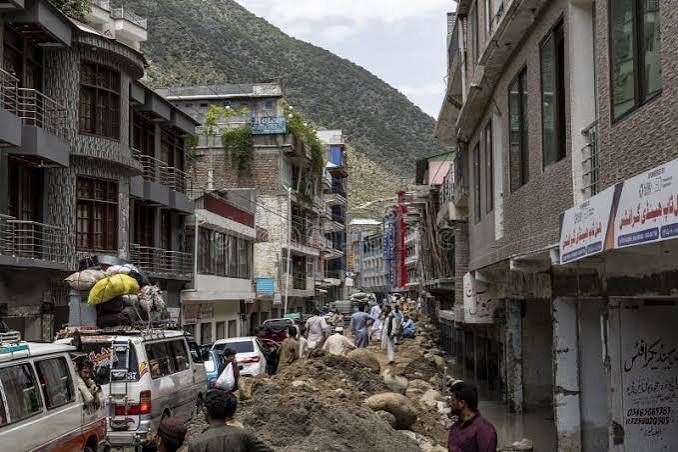
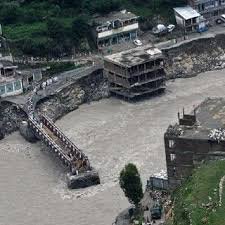
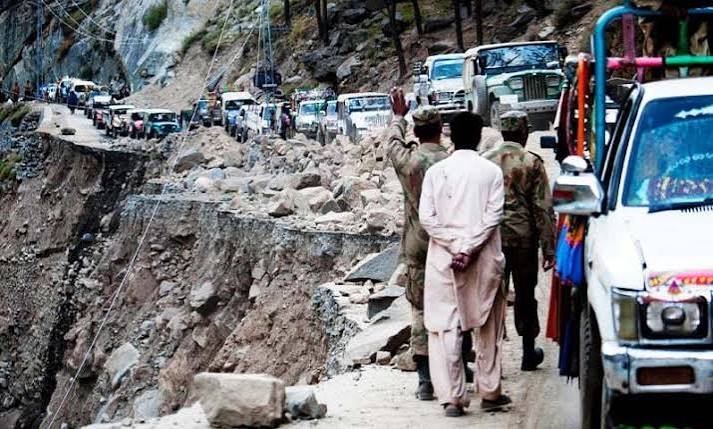
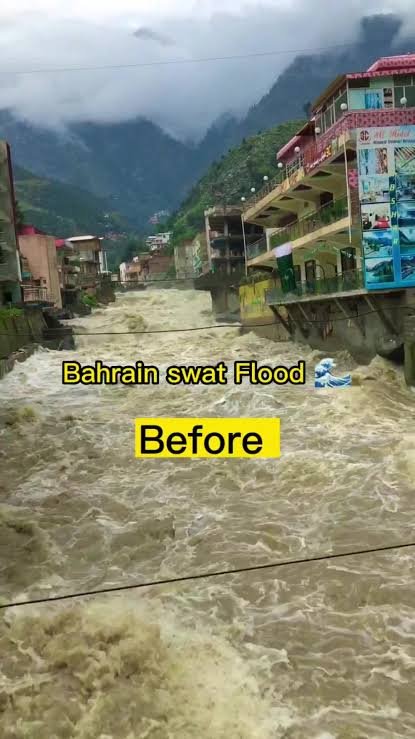
The catastrophic floods of 2010 marked one of the darkest chapters in Pakistan’s history. In Thesil Behrain , raging floodwaters swept away entire villages, destroying nearly more than thousands of homes, claiming precious lives, killing livestock, and leaving thousands of families without shelter, food, or livelihoods. Roads, bridges, schools, and public infrastructure were severely damaged, isolating communities from the outside world.
For the people of Tehsil Bahrain district swat , it was more than a natural disaster it was a humanitarian crisis.
At that time, QAFELA had no emergency funding, no relief stock, and no external financial support. Yet, the organization refused to remain a silent spectator. Driven by an unwavering commitment to serve humanity, QAFELA transformed limited resources into extraordinary action.
The Executive Director of QAFELA worked around the clock, preparing emergency situation reports and sending urgent appeals to United Nations agencies, international NGOs, national organizations, local civil society organizations, donor agencies, embassies, humanitarian networks, and philanthropists. Through relentless advocacy, continuous communication, and strong community coordination, QAFELA succeeded in drawing national and international attention to the suffering of flood-affected communities in Upper Swat.
The response was remarkable.
Within a short period, numerous humanitarian organizations arrived in the affected areas to provide emergency assistance. QAFELA became a trusted local partner, facilitating access to remote communities, conducting rapid needs assessments, identifying vulnerable households, coordinating with local authorities, and mobilizing volunteers to support relief operations.
Working shoulder to shoulder with humanitarian partners including the World Food Programme (WFP), ACTED, United Nations agencies, government departments, local NGOs, national NGOs, international NGOs (INGOs), charitable foundations, and individual philanthropists QAFELA helped ensure that life-saving assistance reached those who needed it most.Thousands of families received emergency food, clean drinking water, temporary shelter, non-food items, hygiene supplies, and other essential humanitarian assistance. Volunteers from QAFELA worked day and night, often in difficult and dangerous conditions, to support relief distribution and ensure transparency, dignity, and fairness throughout the process.
As humanitarian efforts expanded, an estimated PKR 69 billion was invested in relief, recovery, and rehabilitation across Tehsil Bahrain by the United Nations agencies, USAID donor organizations, international and national NGOs, private philanthropists, and humanitarian partners. This collective investment enabled thousands of families to rebuild their homes, restore livelihoods, rehabilitate public infrastructure, and begin rebuilding their futures.